Project Information
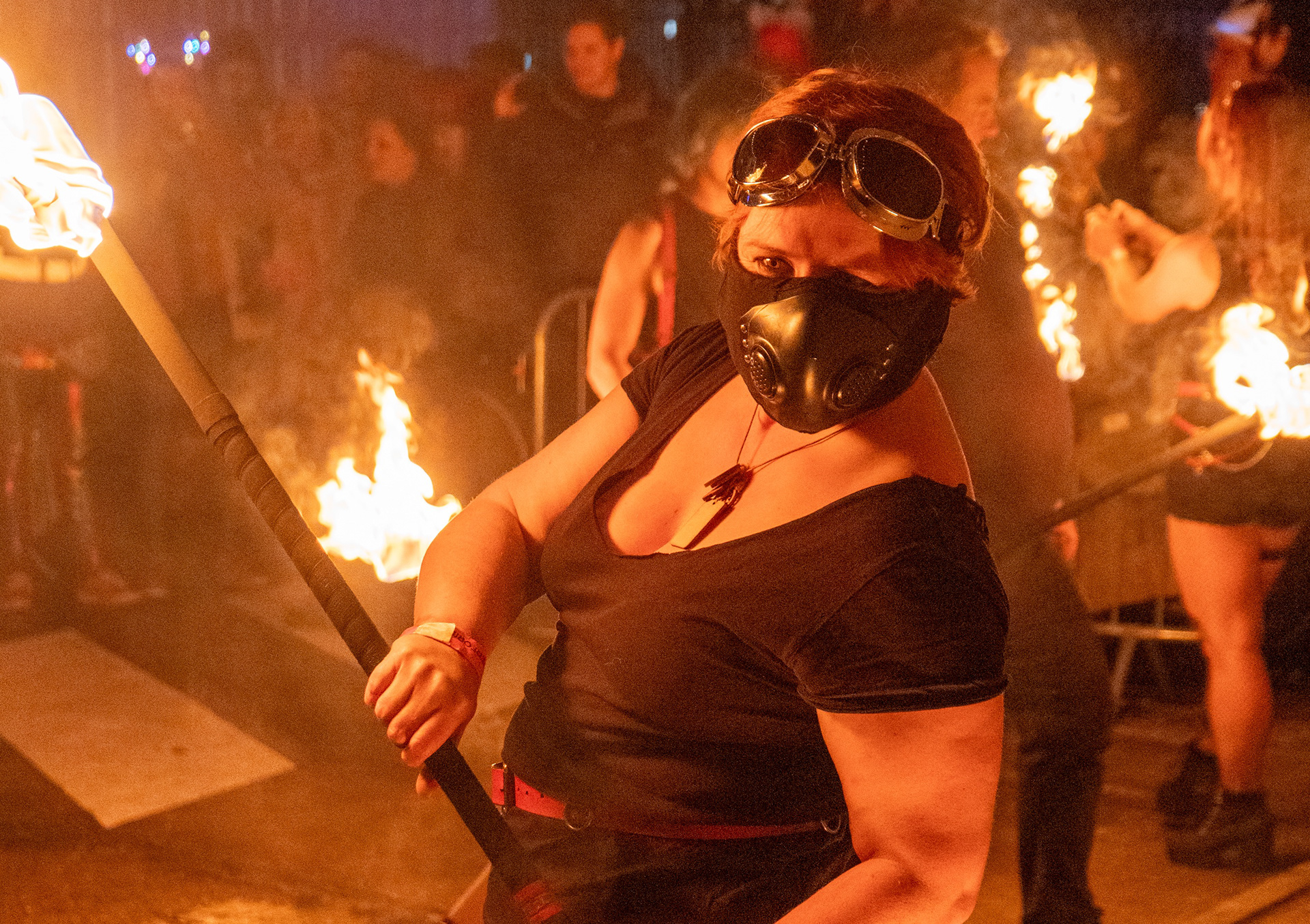
I took on a Creative Director–level role for one of London’s longest-running, Burning Man–official cultural events — London Decom is a fully volunteer-led festival welcoming over 3,000 people. My responsibility spanned creative vision, spatial design, and delivery, with a focus on making the experience accessible, poetic, and deeply human.
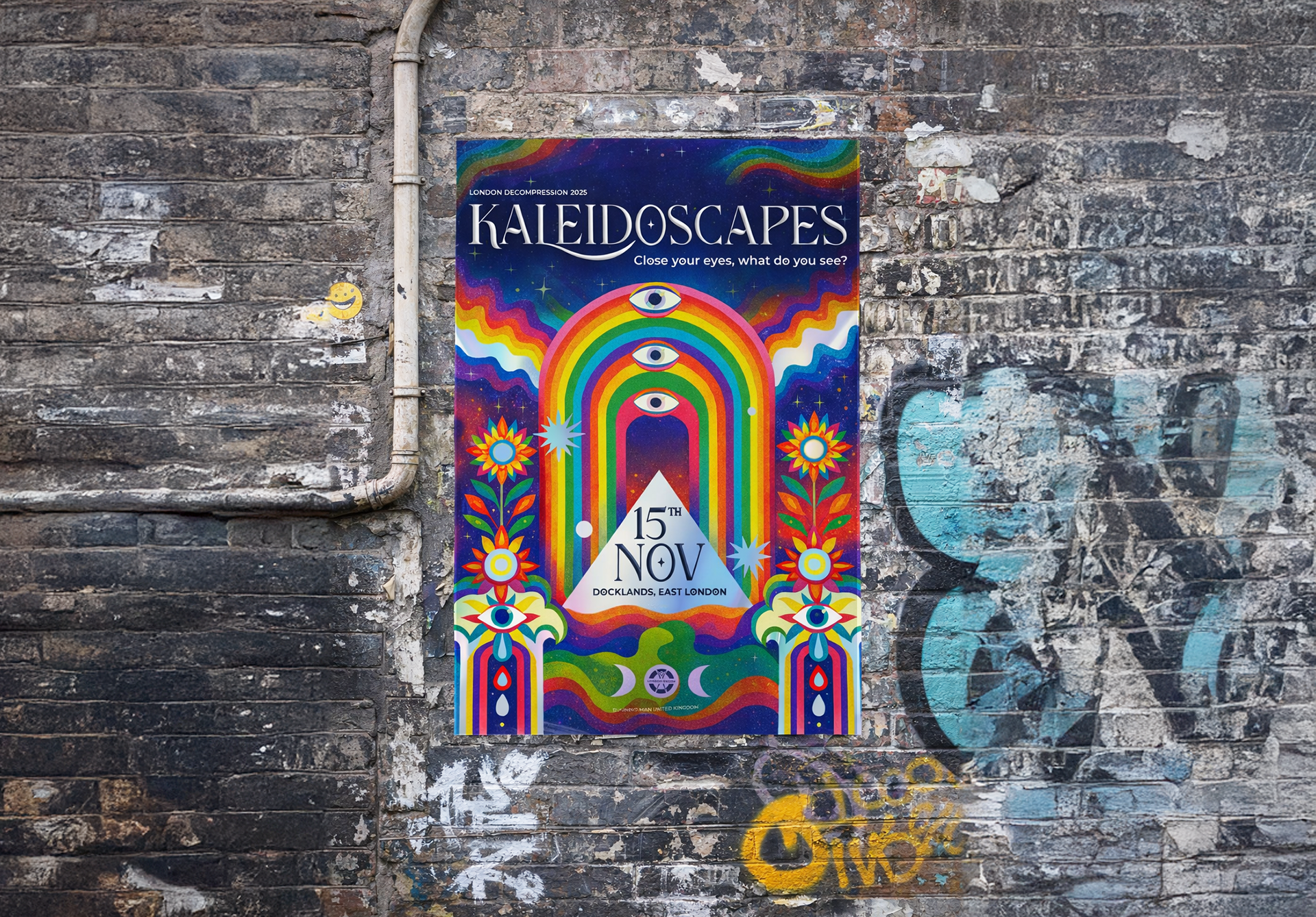
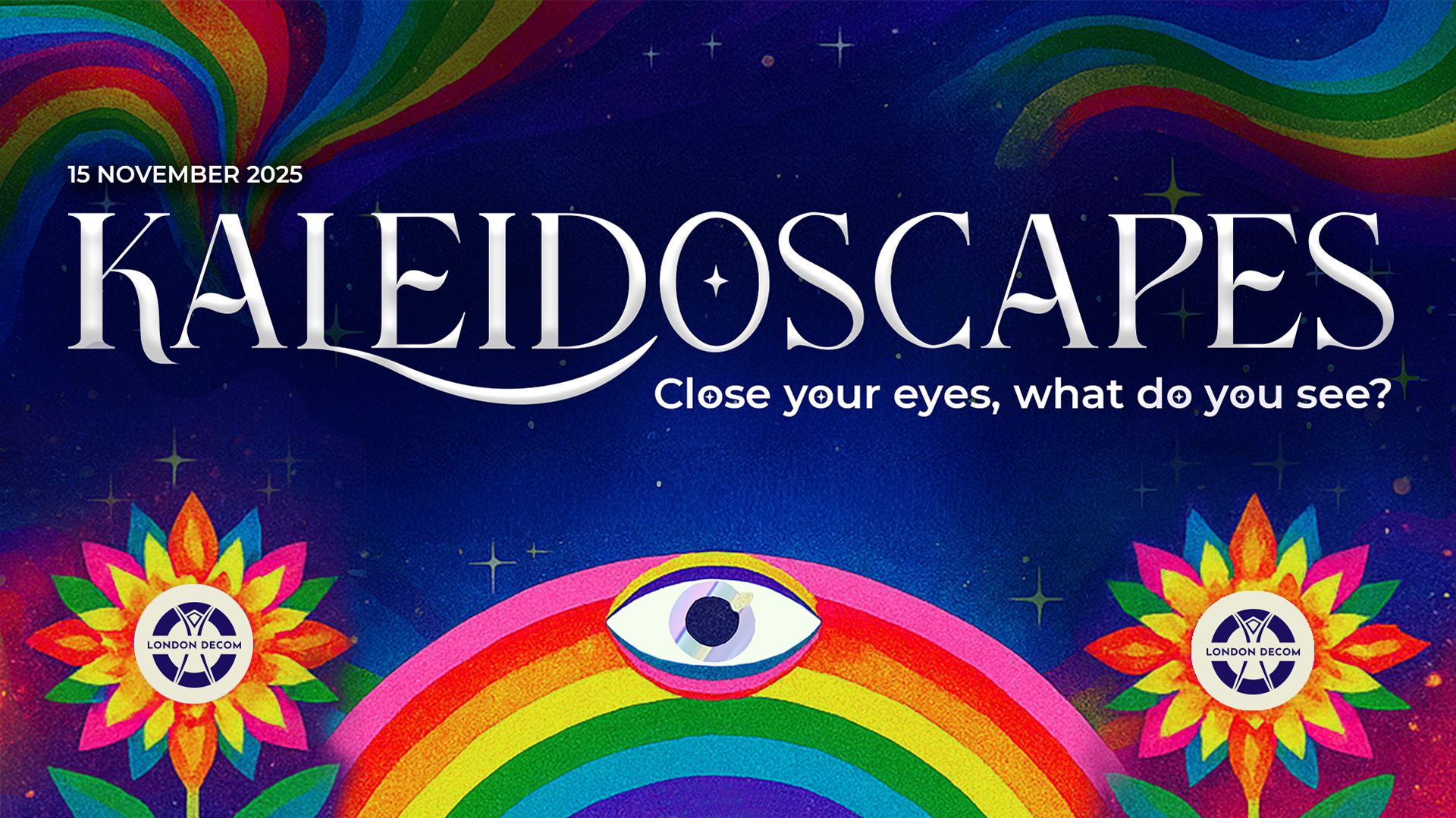
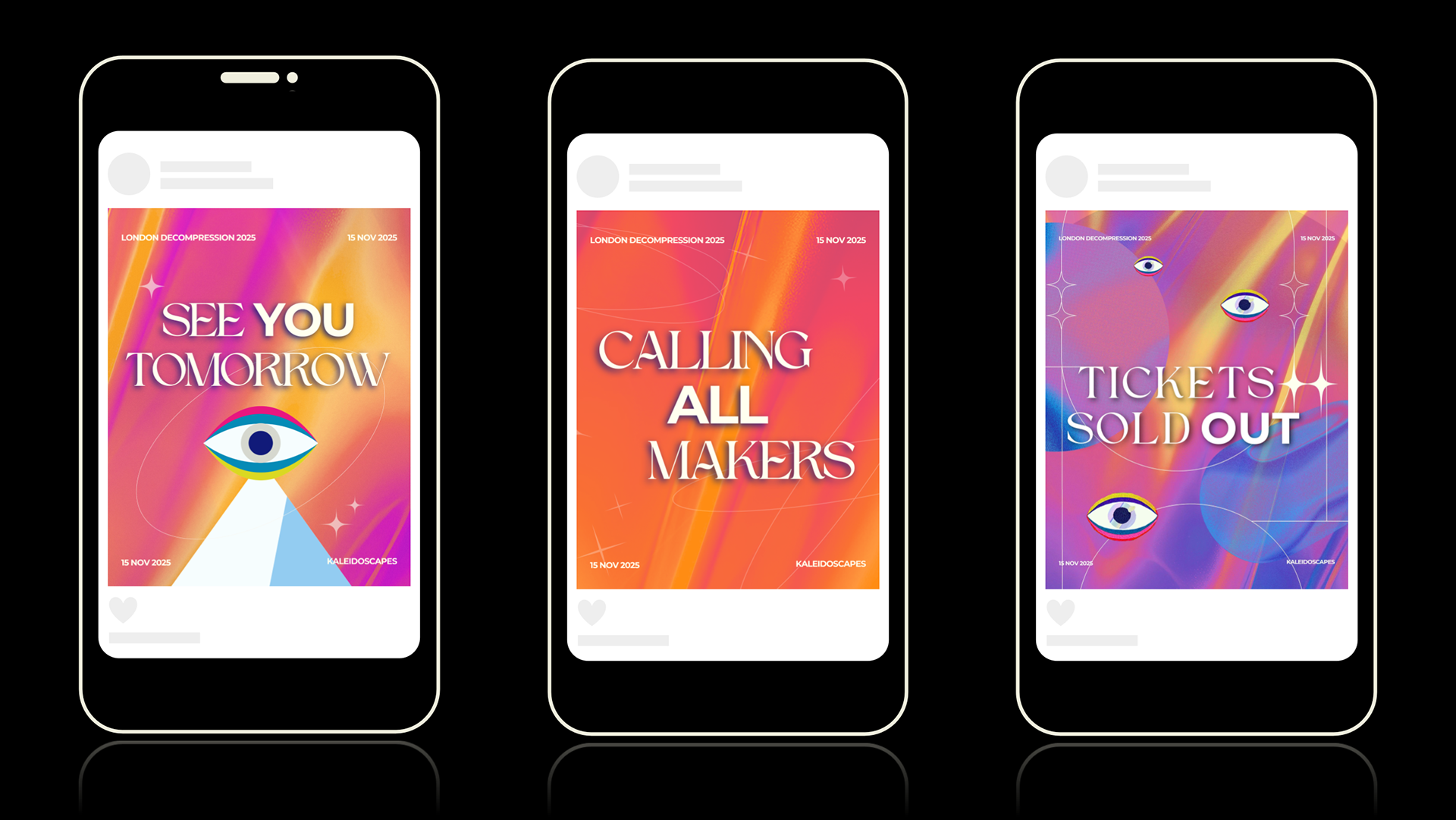
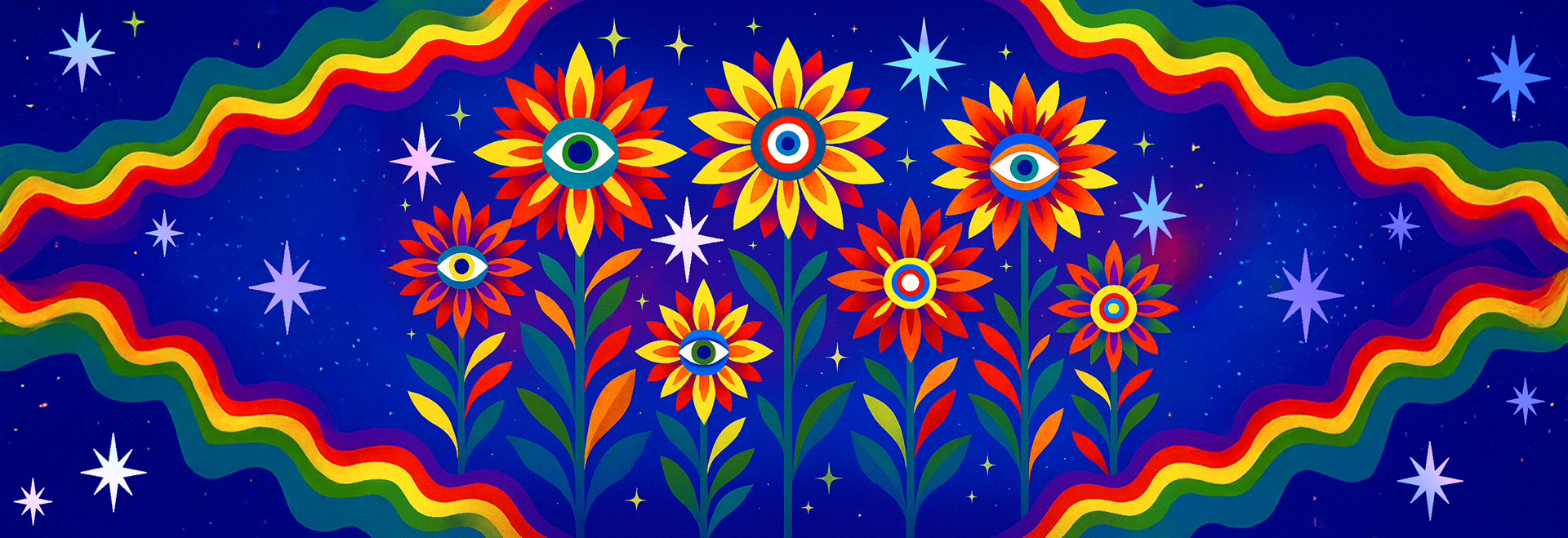
I led the development of the event’s theme, name, and visual identity, framing the festival through a language that invited curiosity rather than intimidation. The aim was to create a world that felt open and welcoming, while still holding a strong conceptual backbone — allowing both first-time visitors and long-standing community members to feel equally at home.
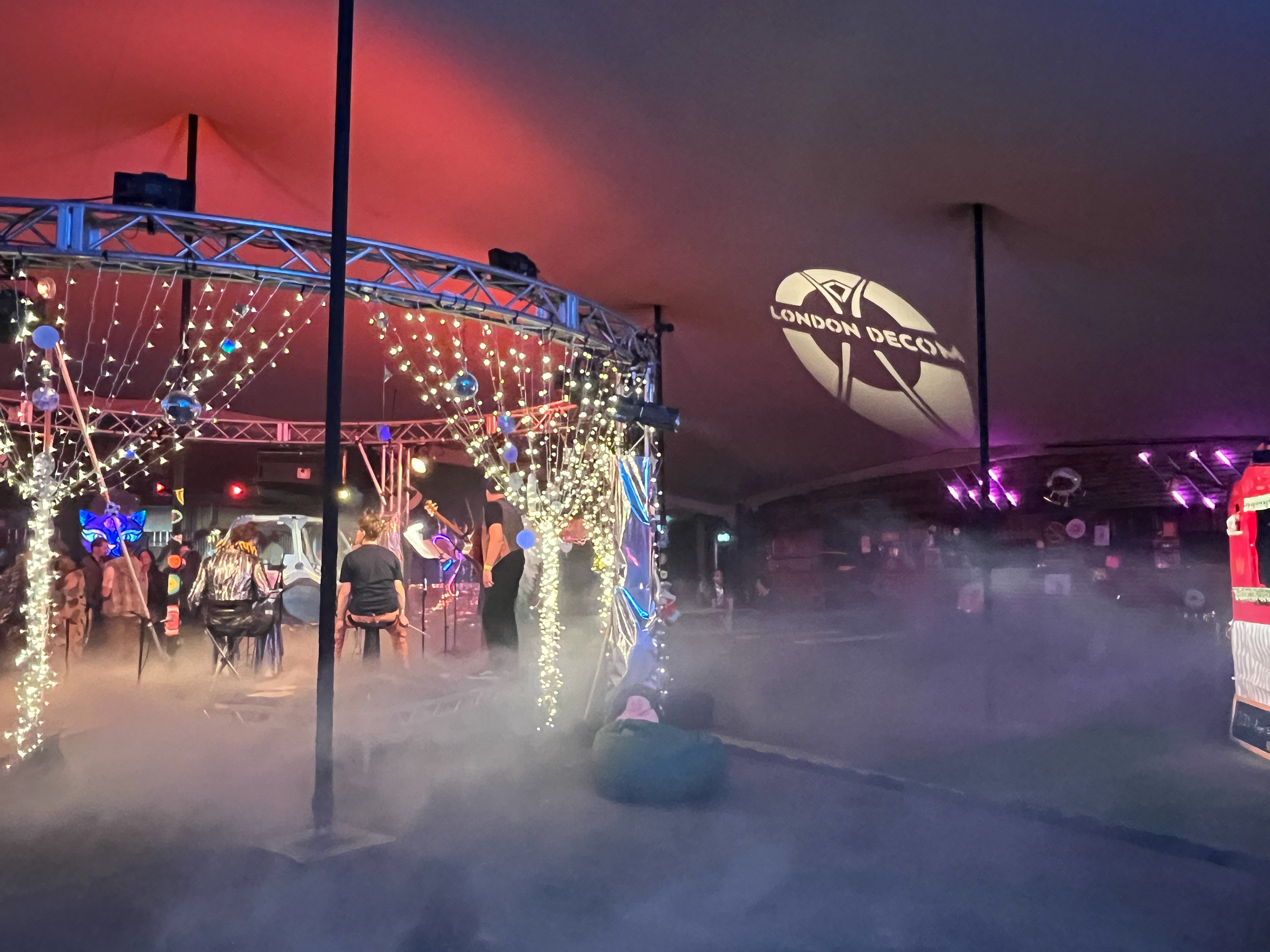
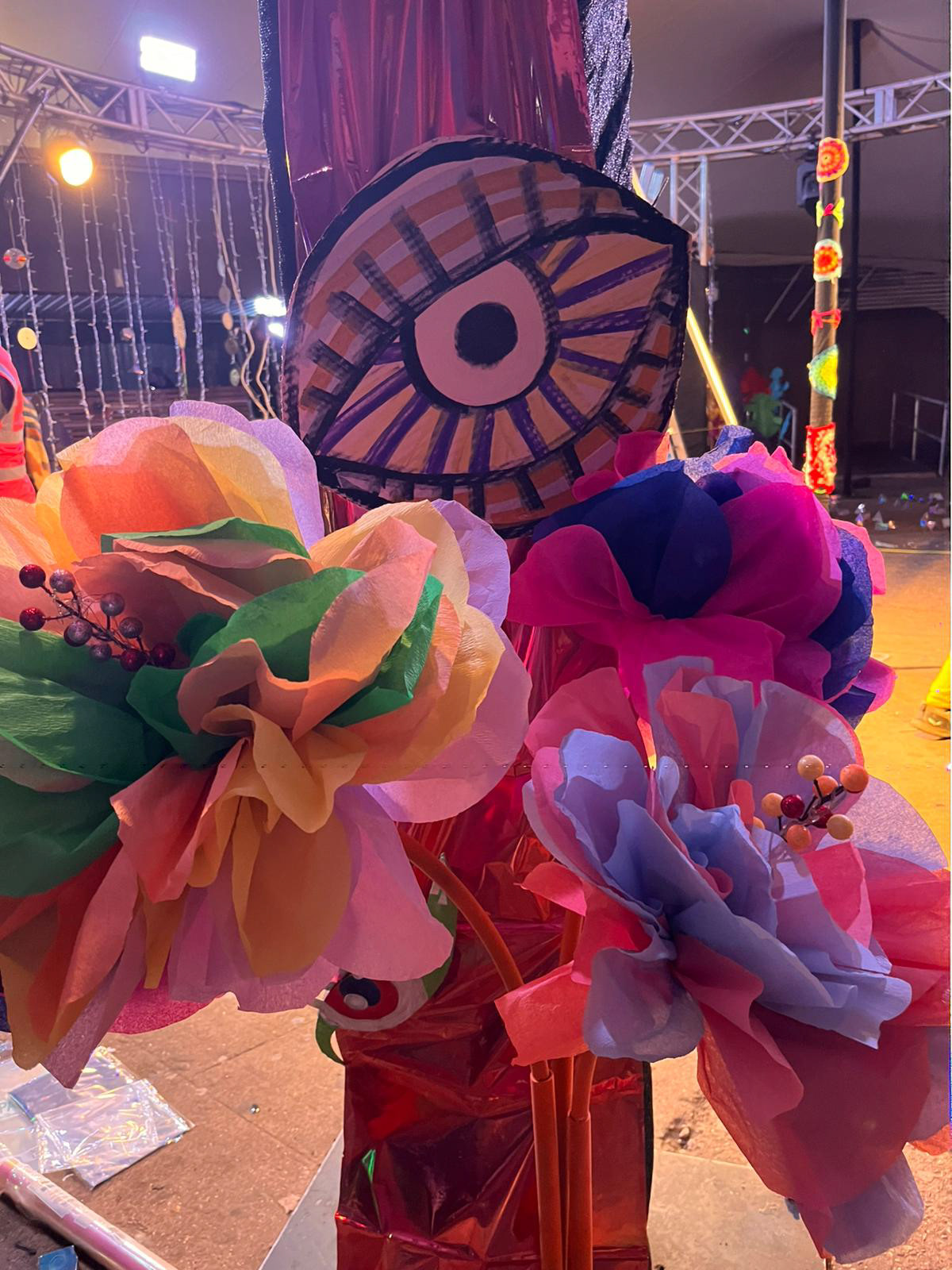
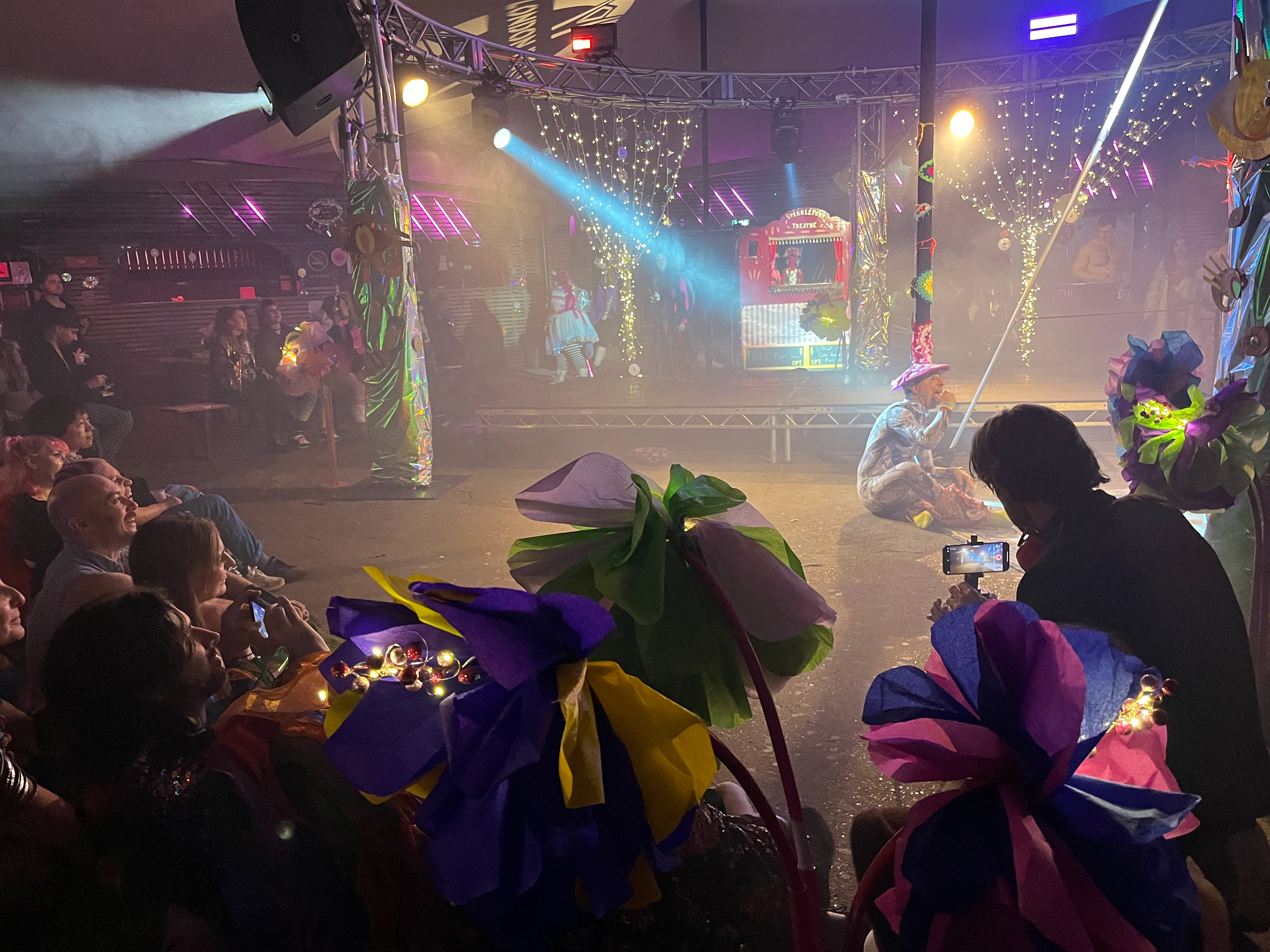
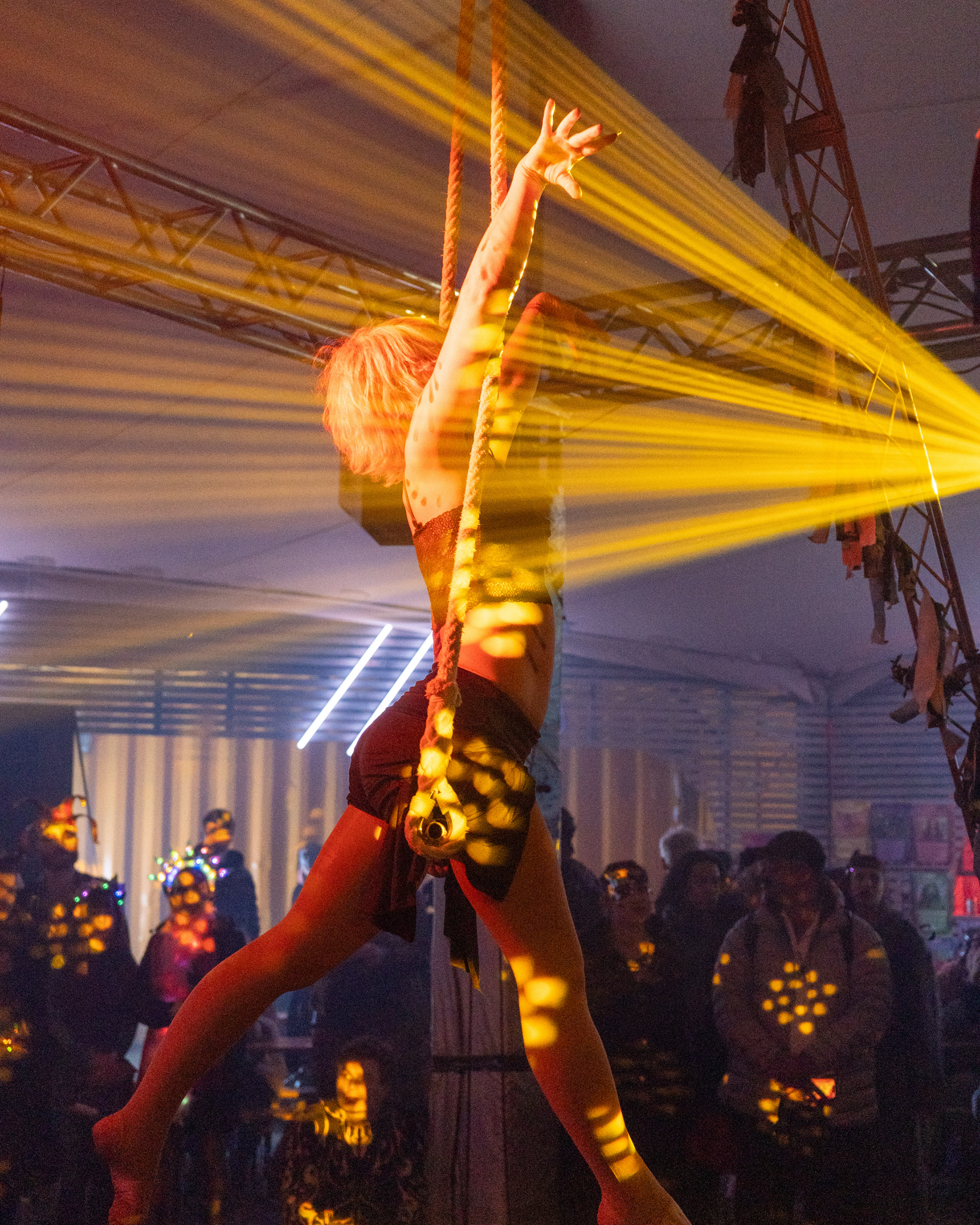
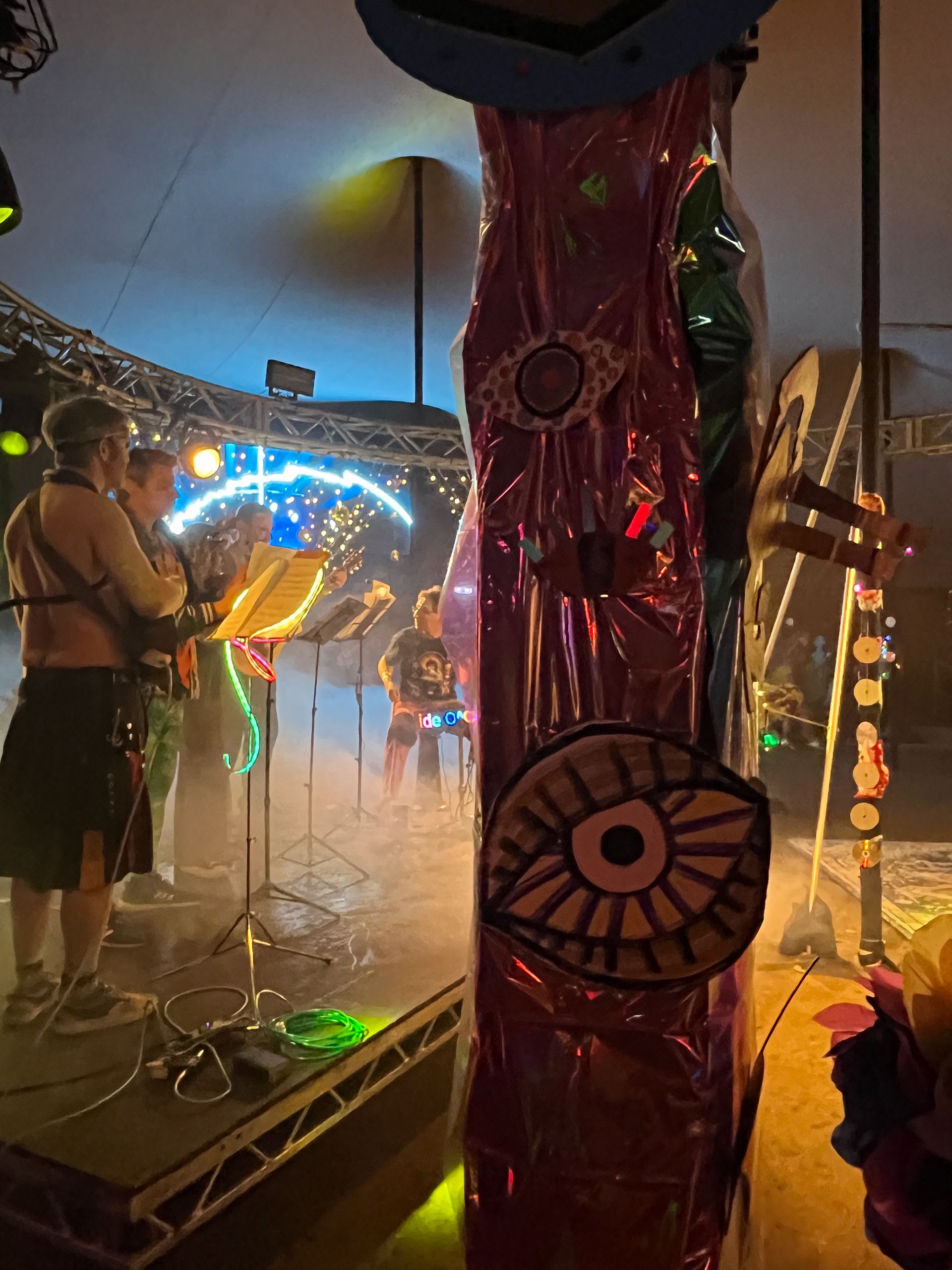
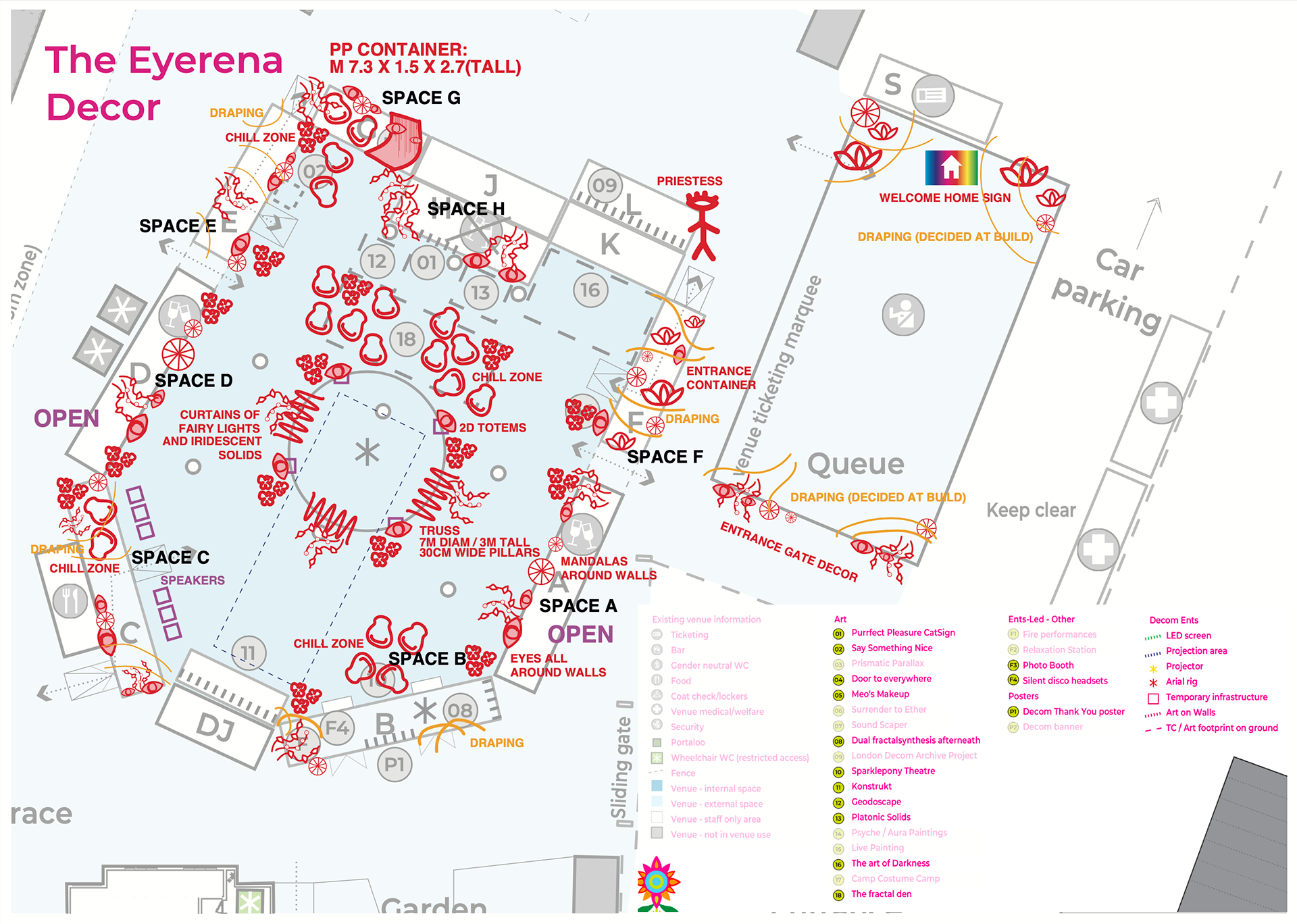
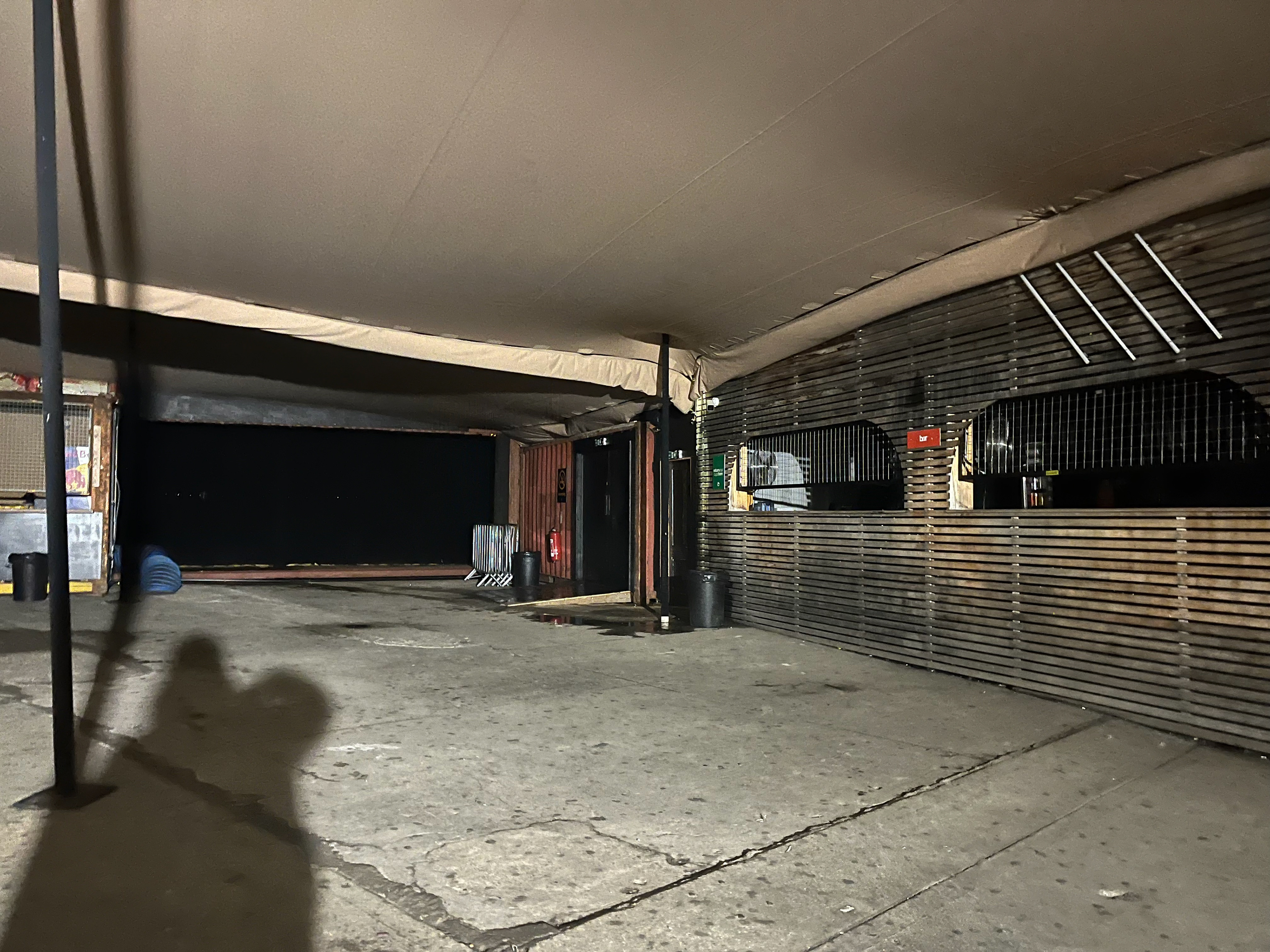
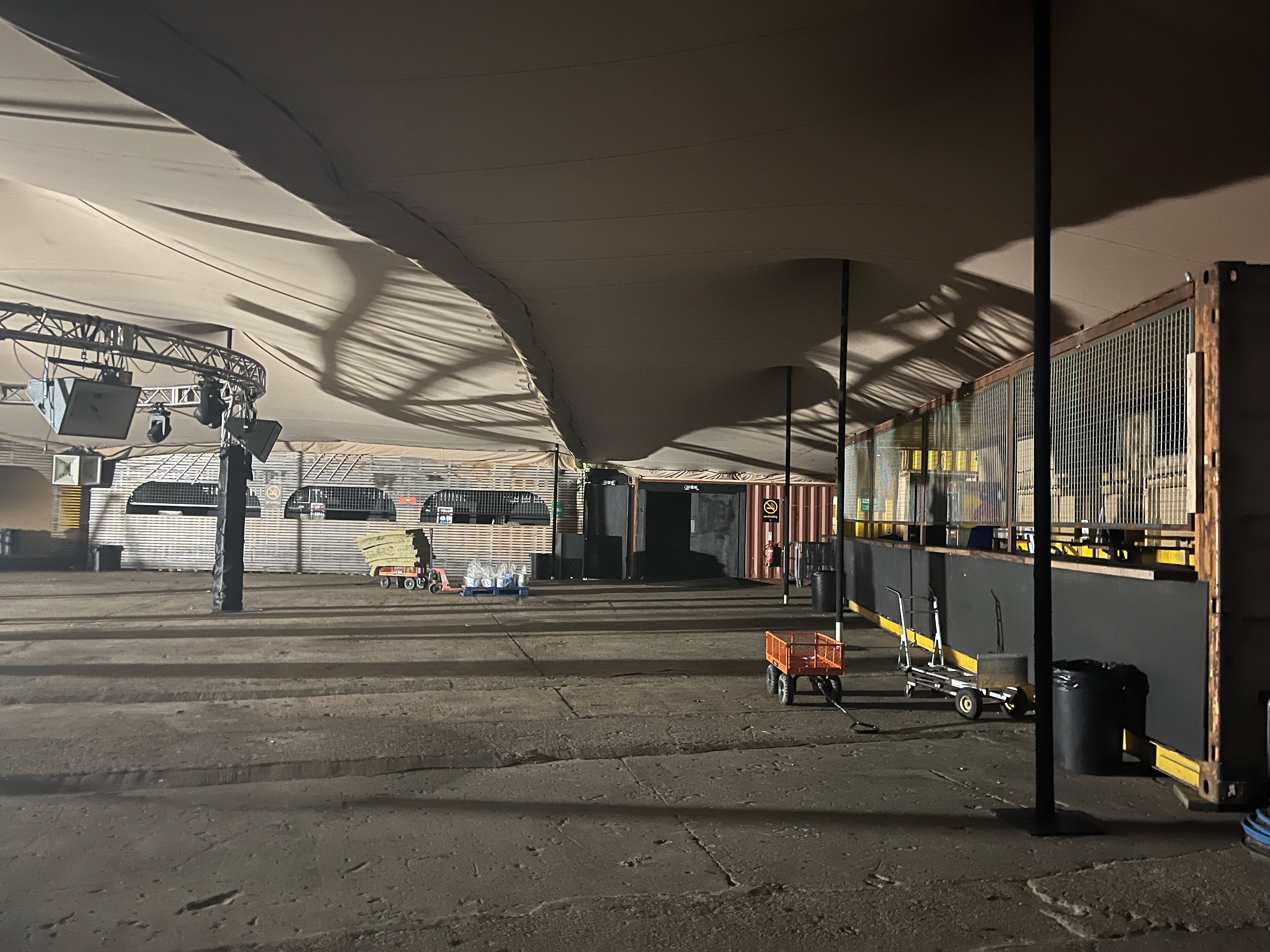
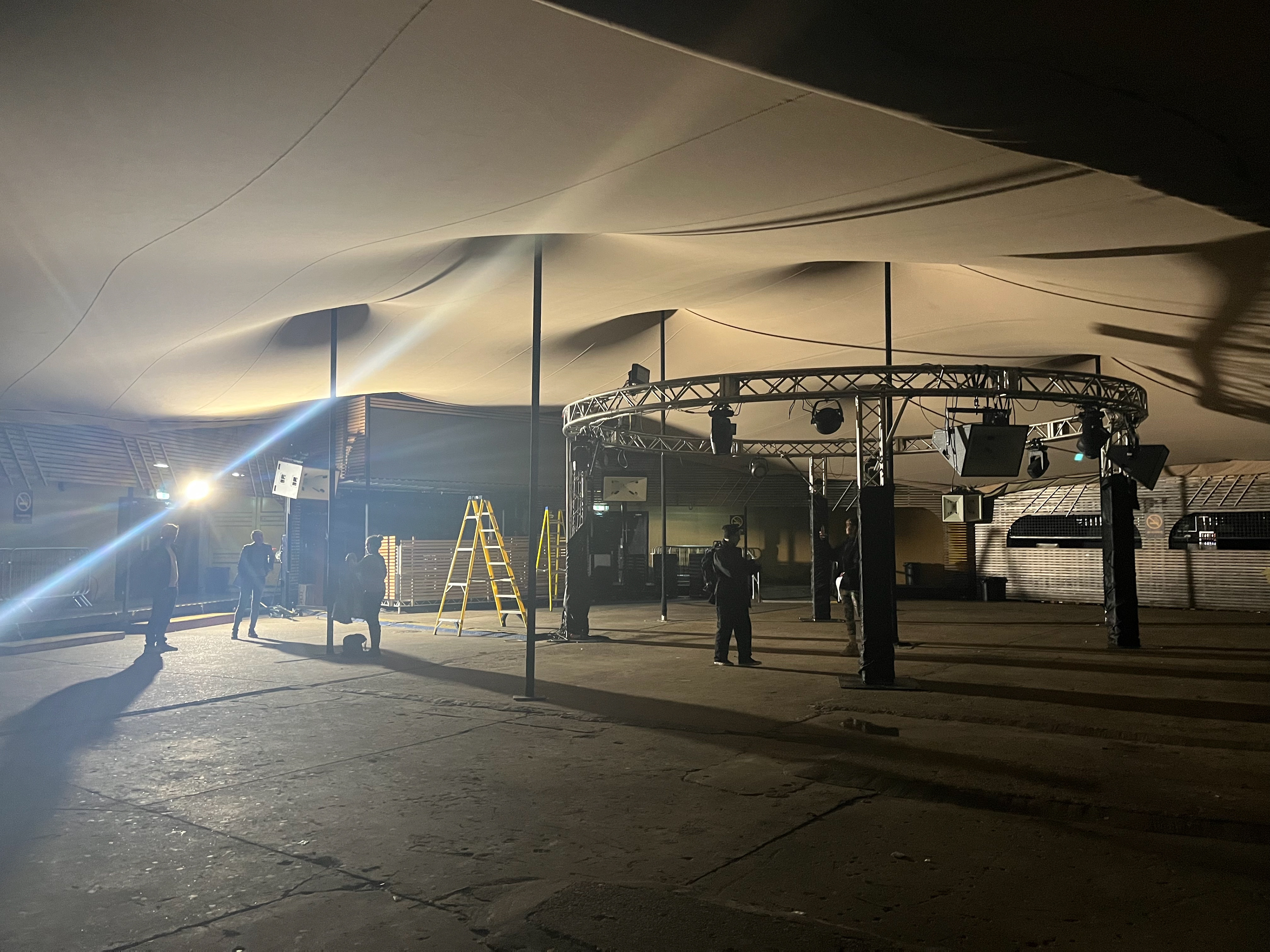
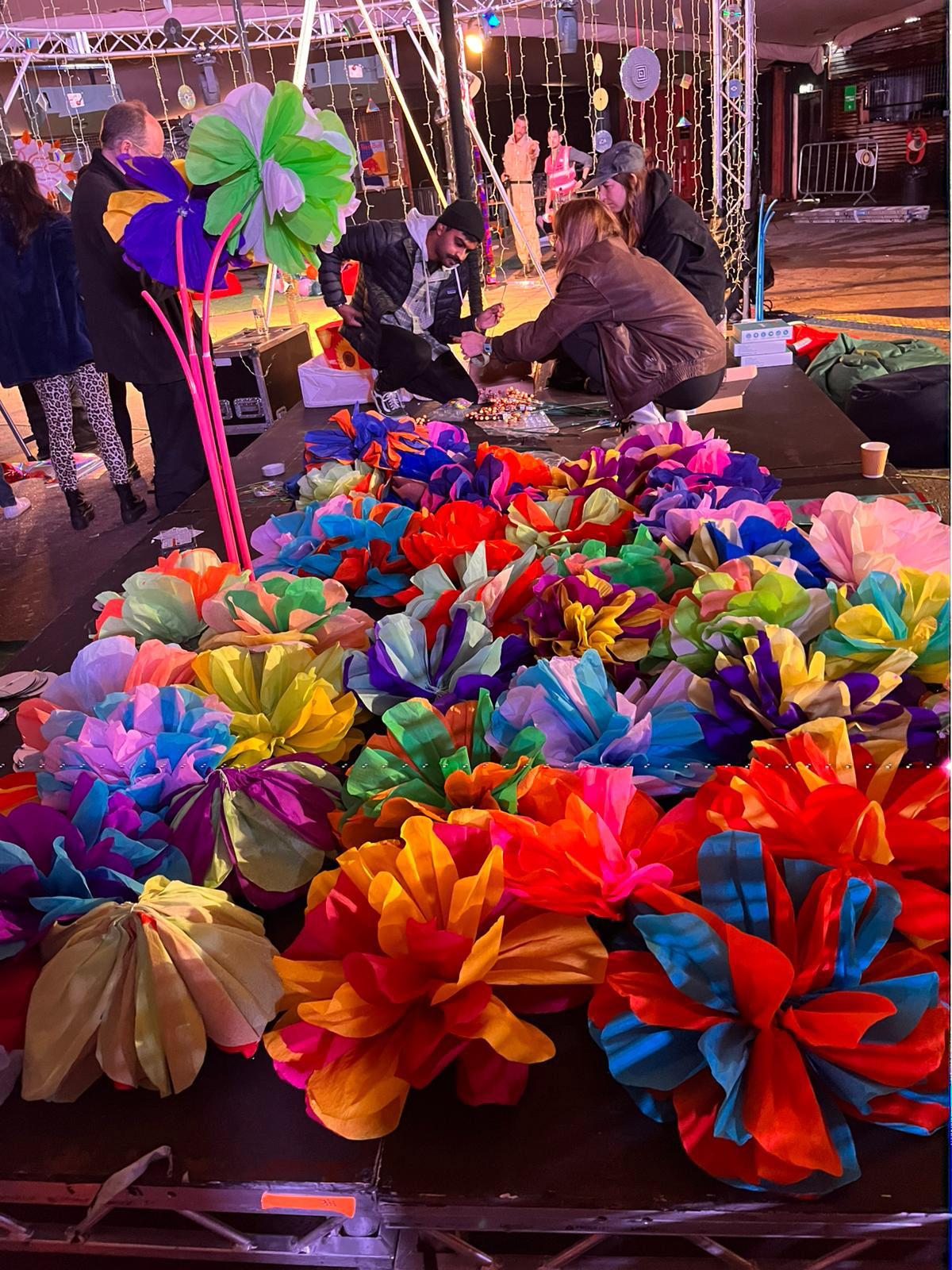
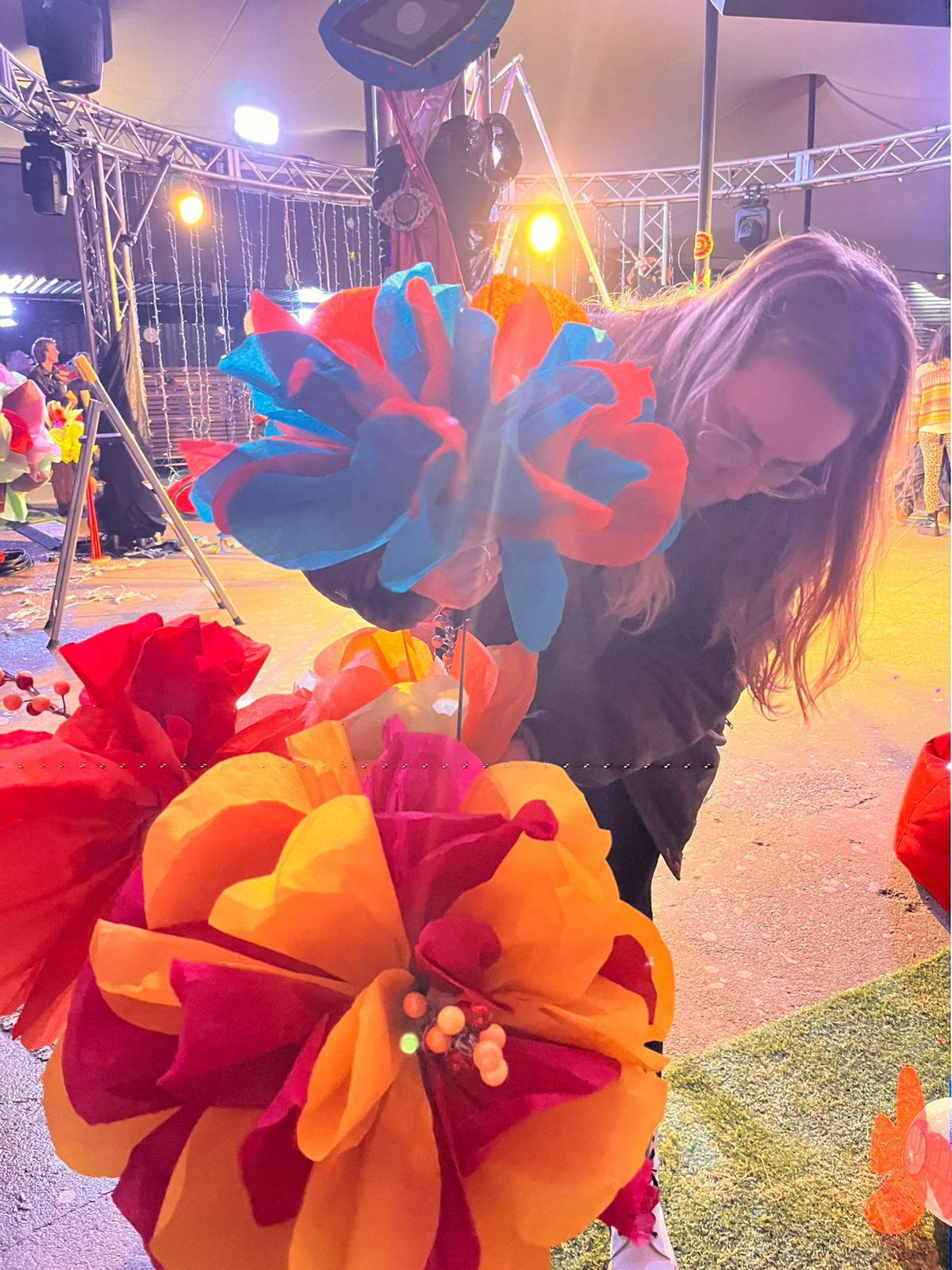
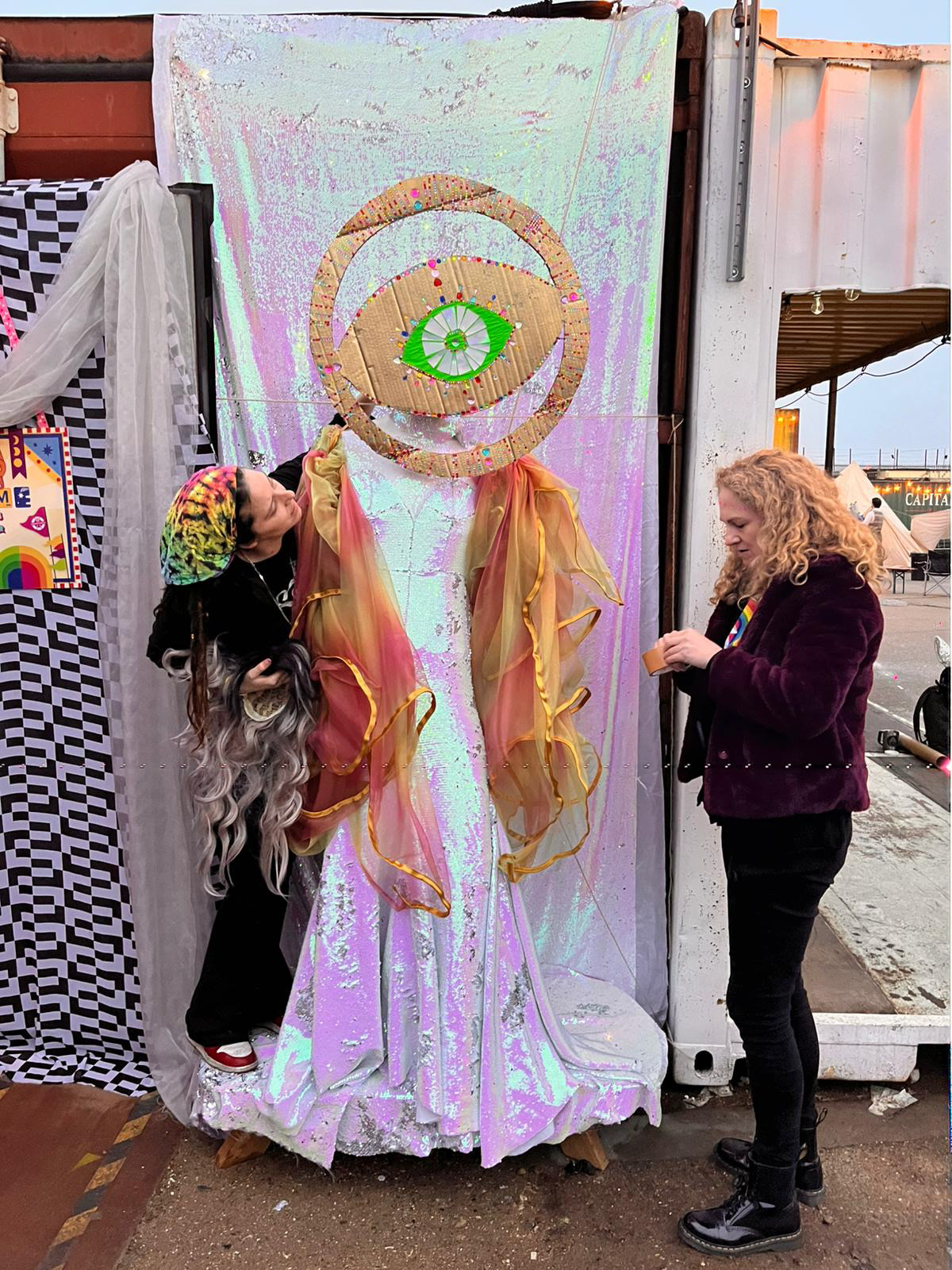
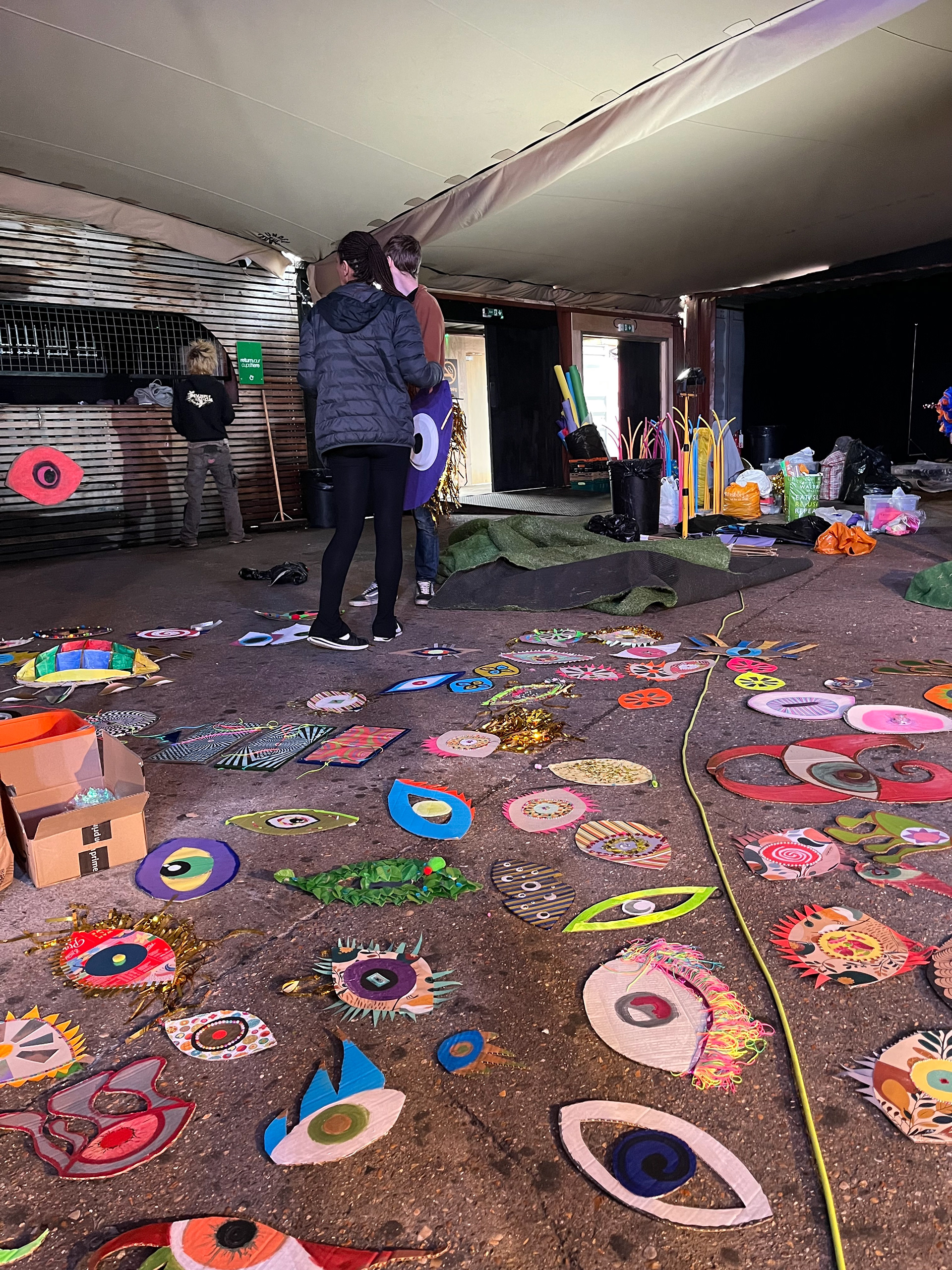
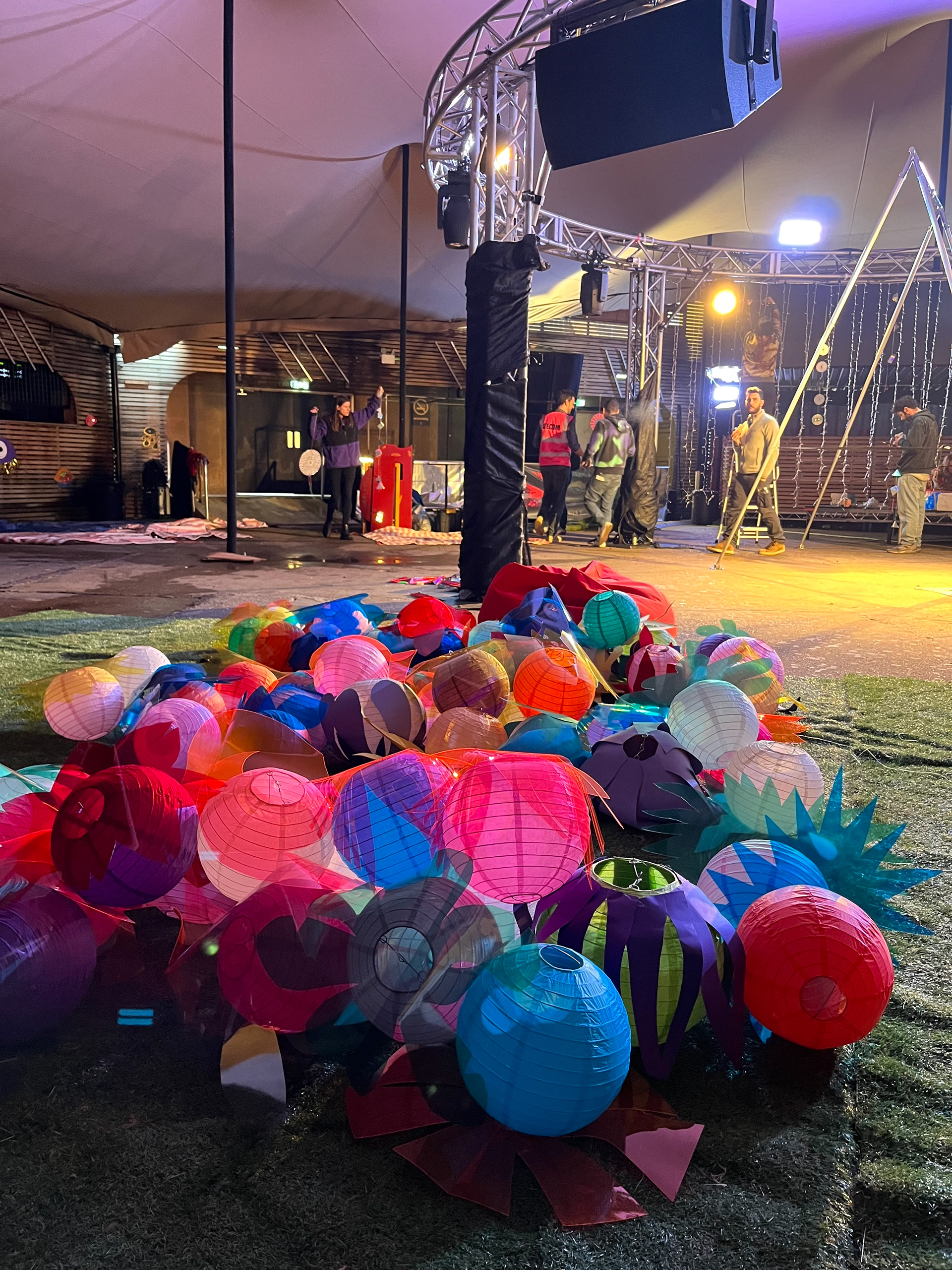
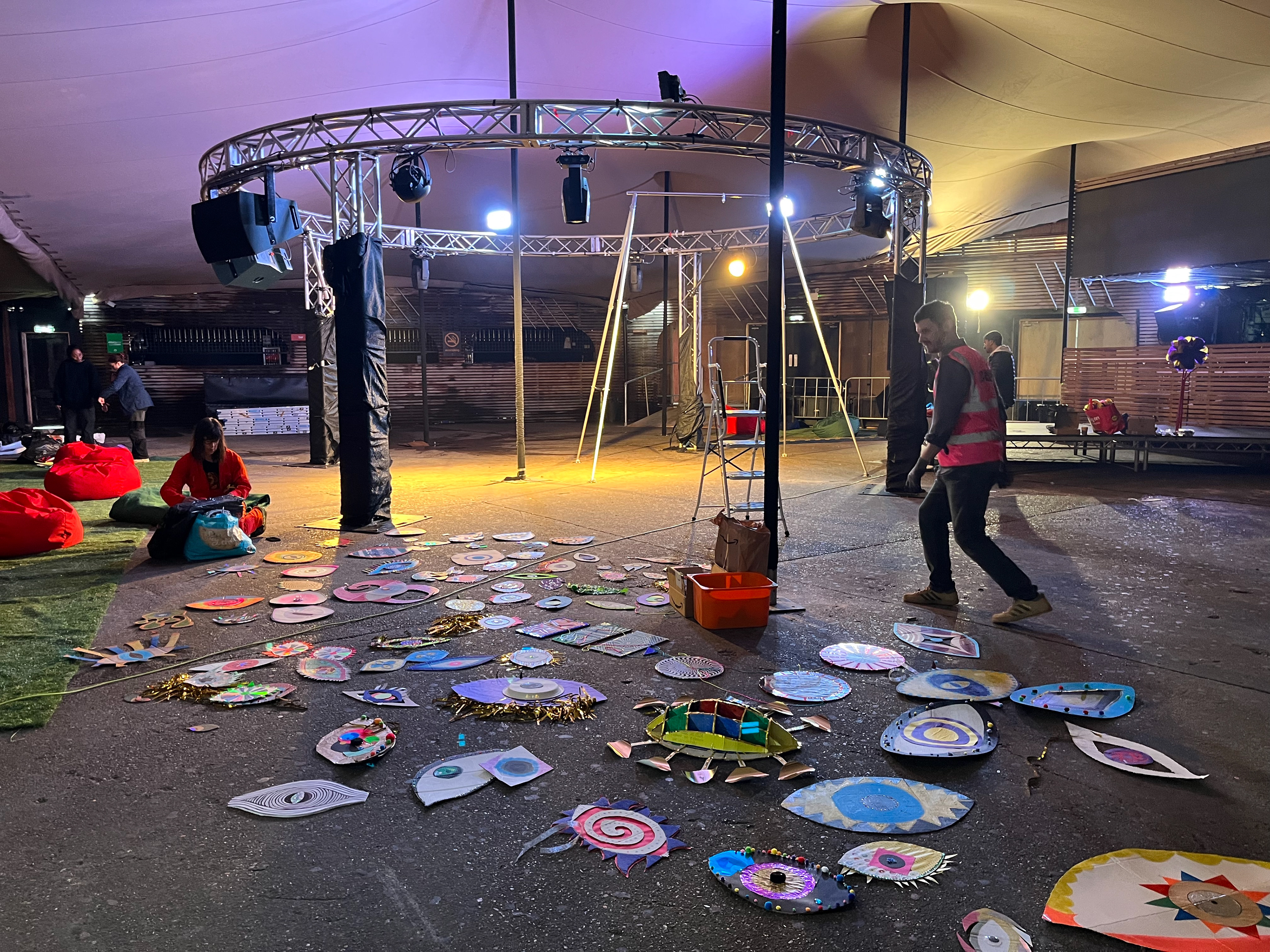
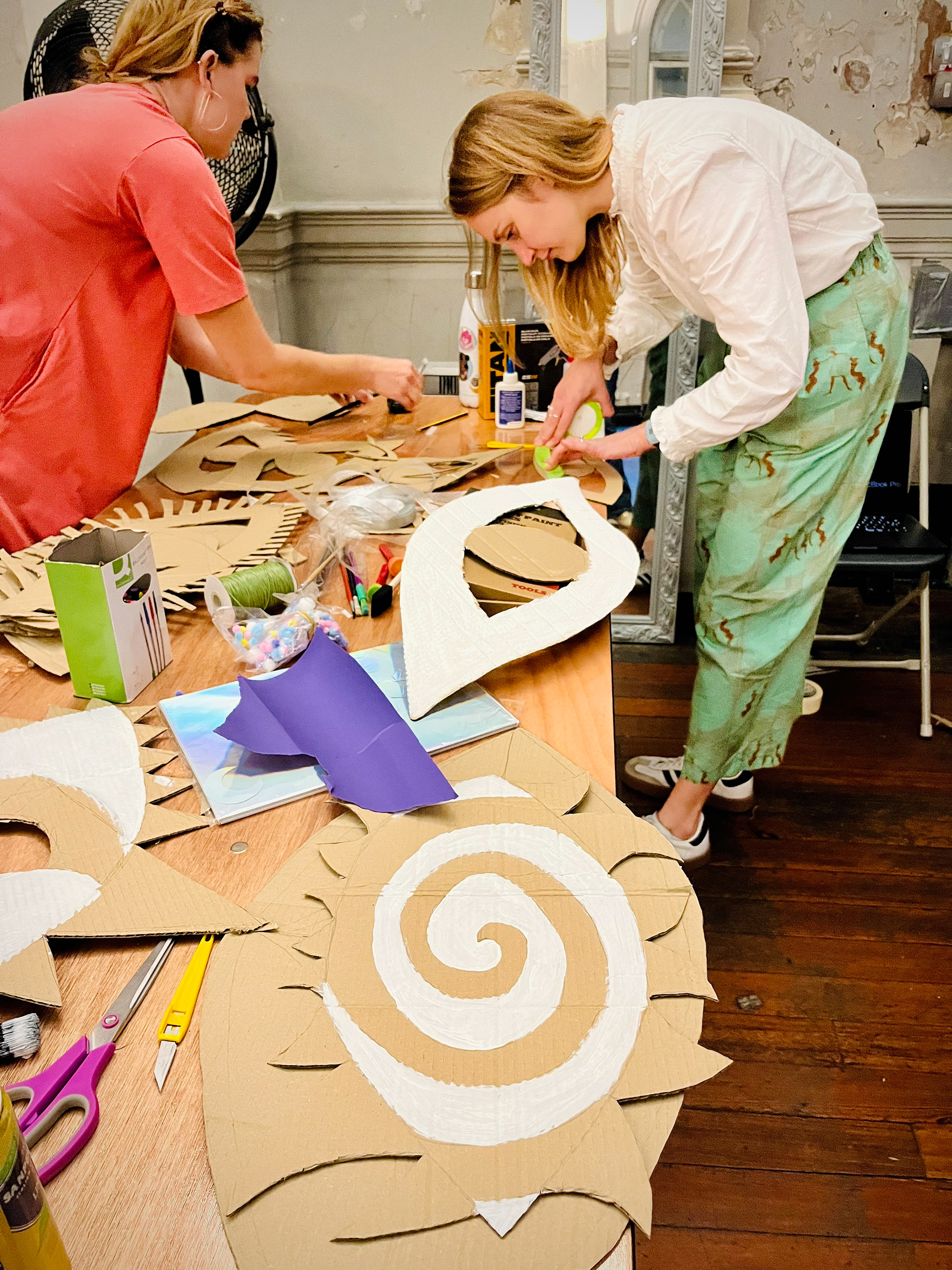
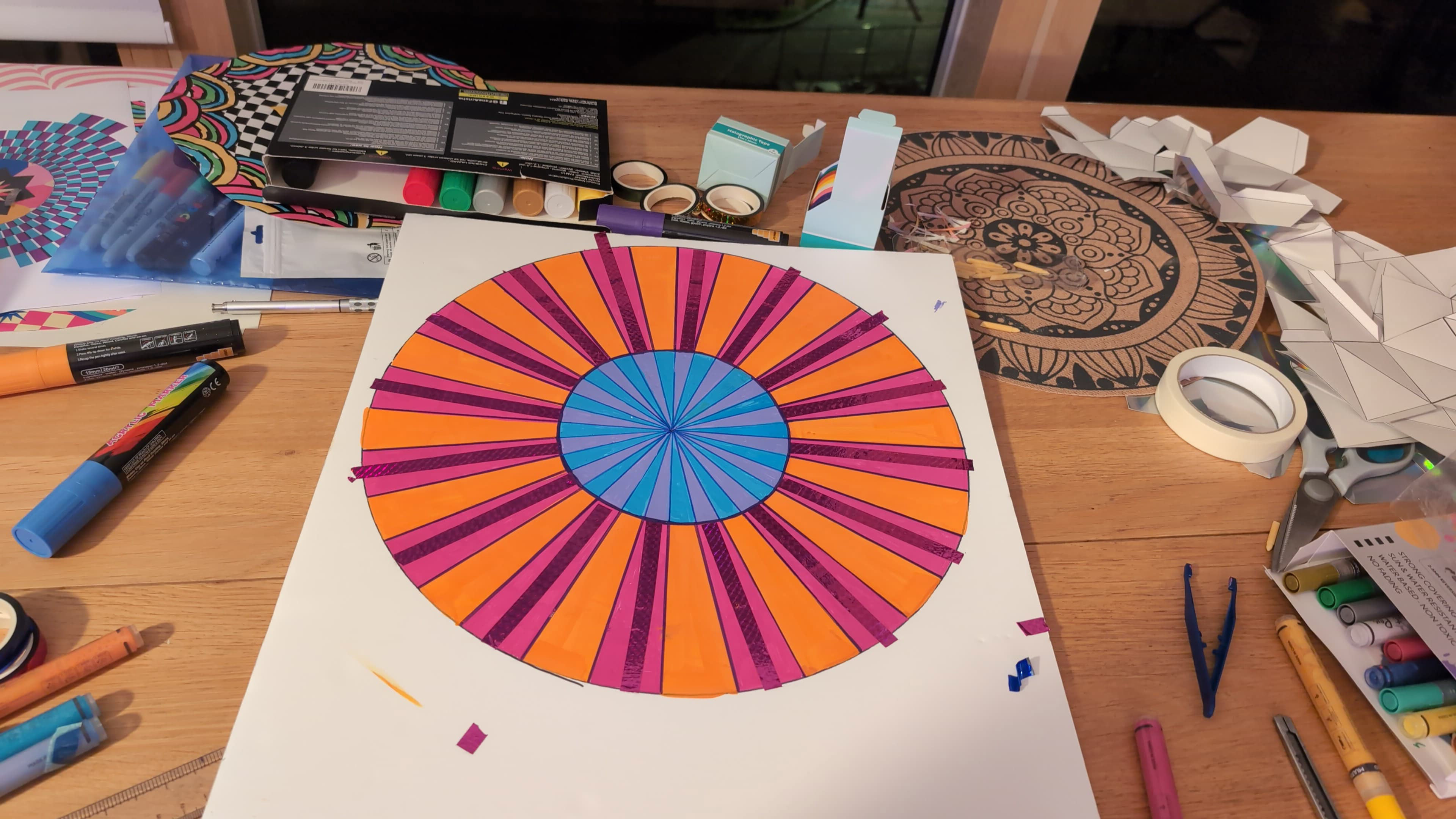
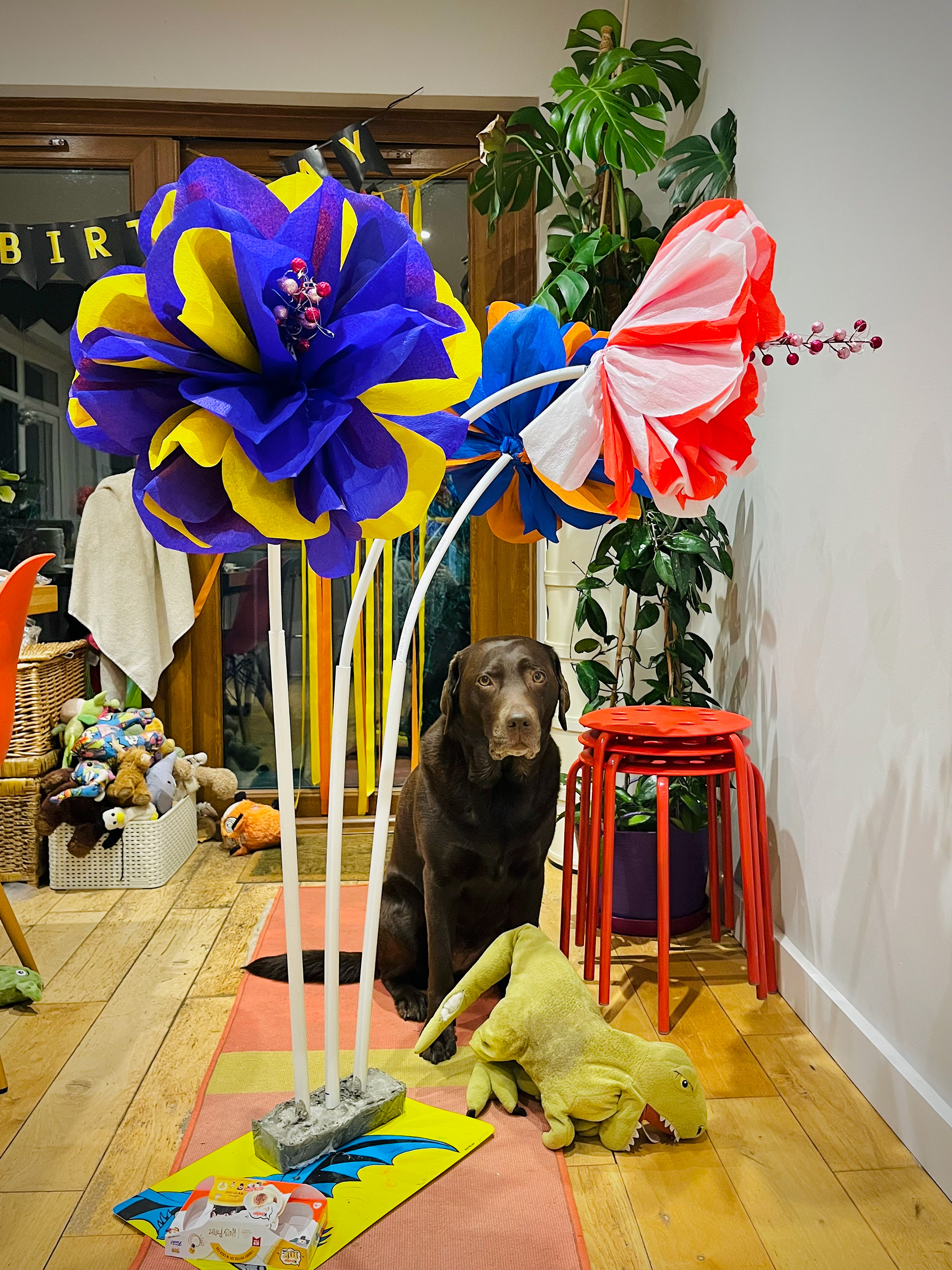
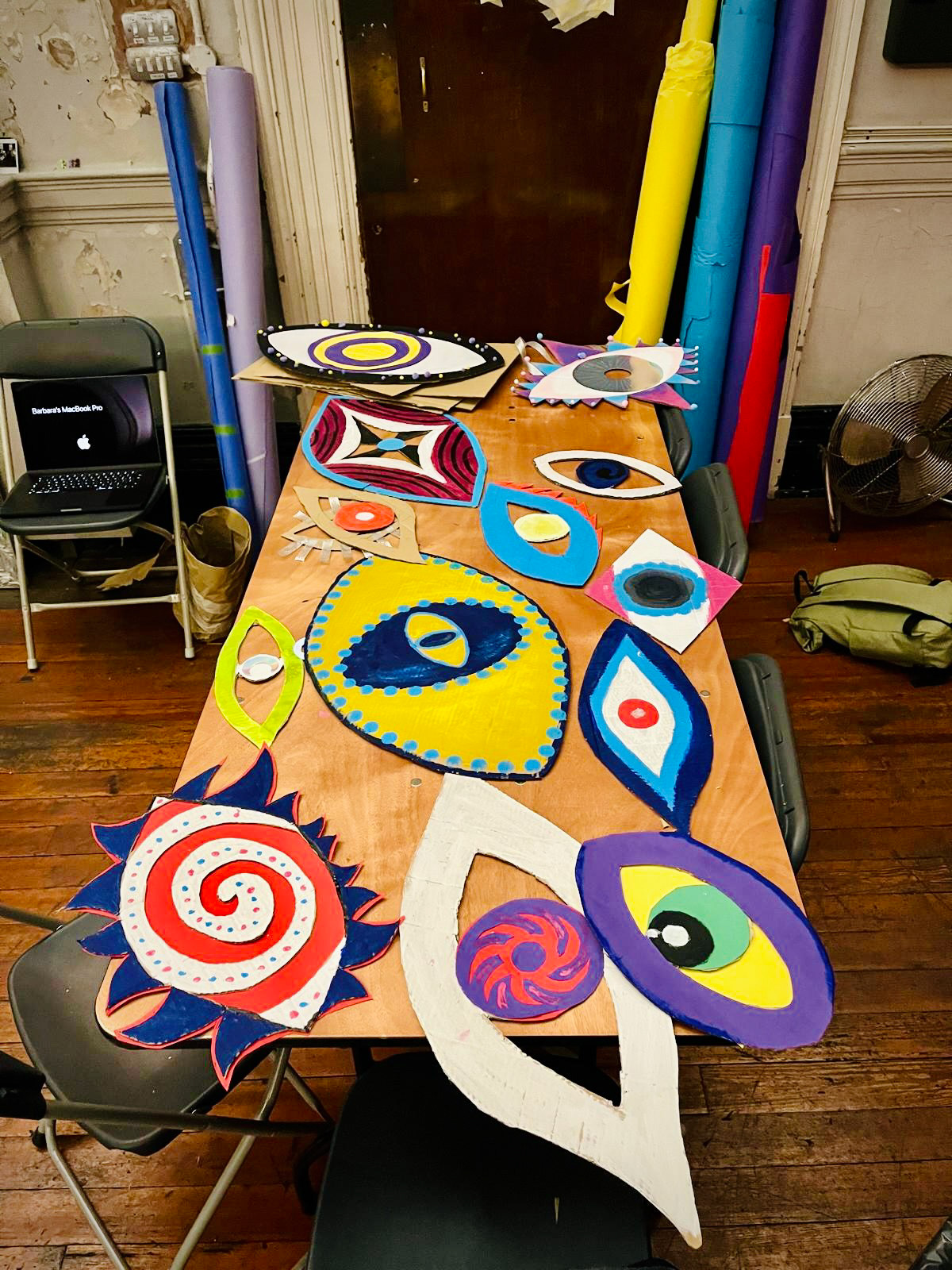
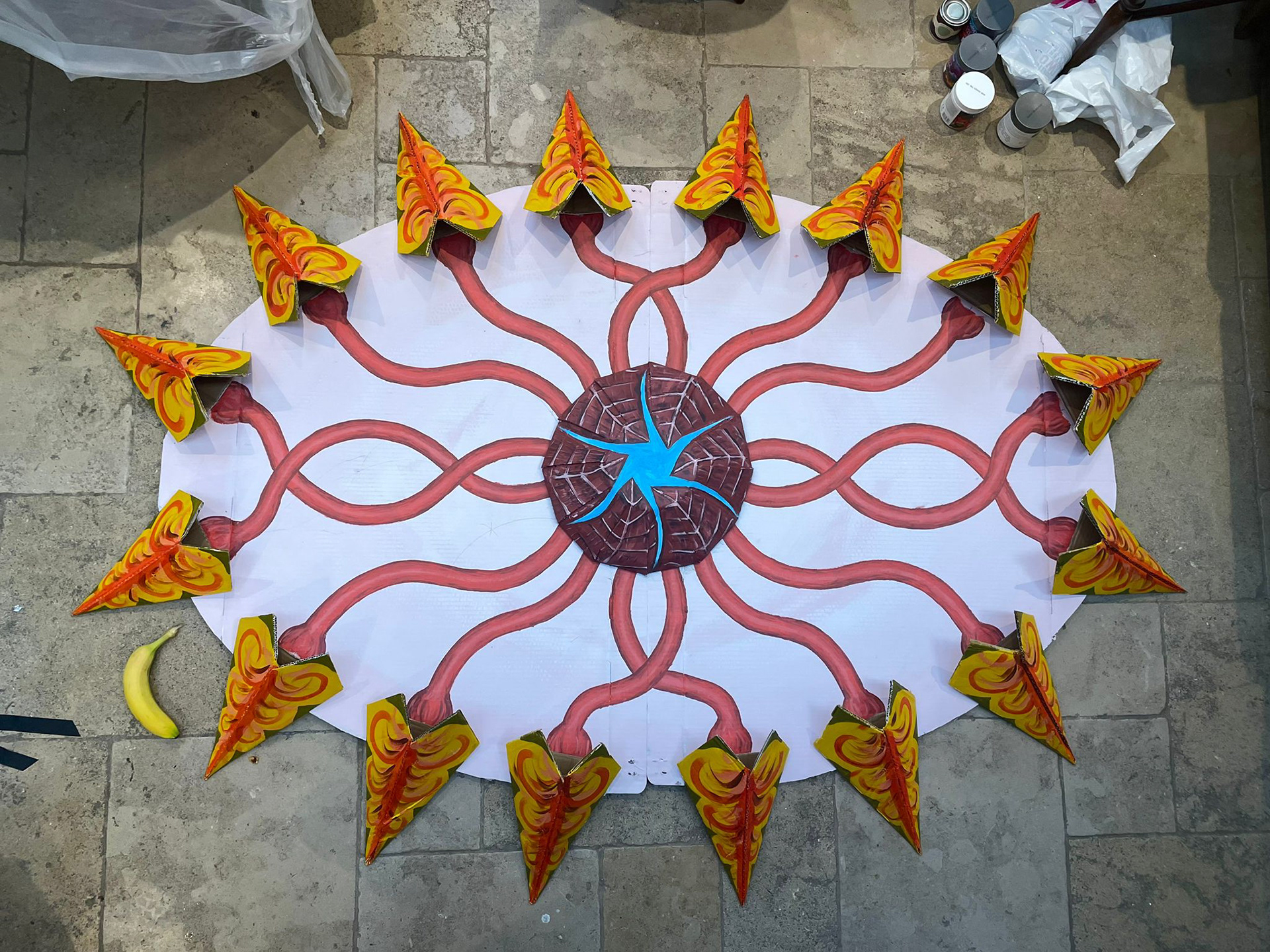
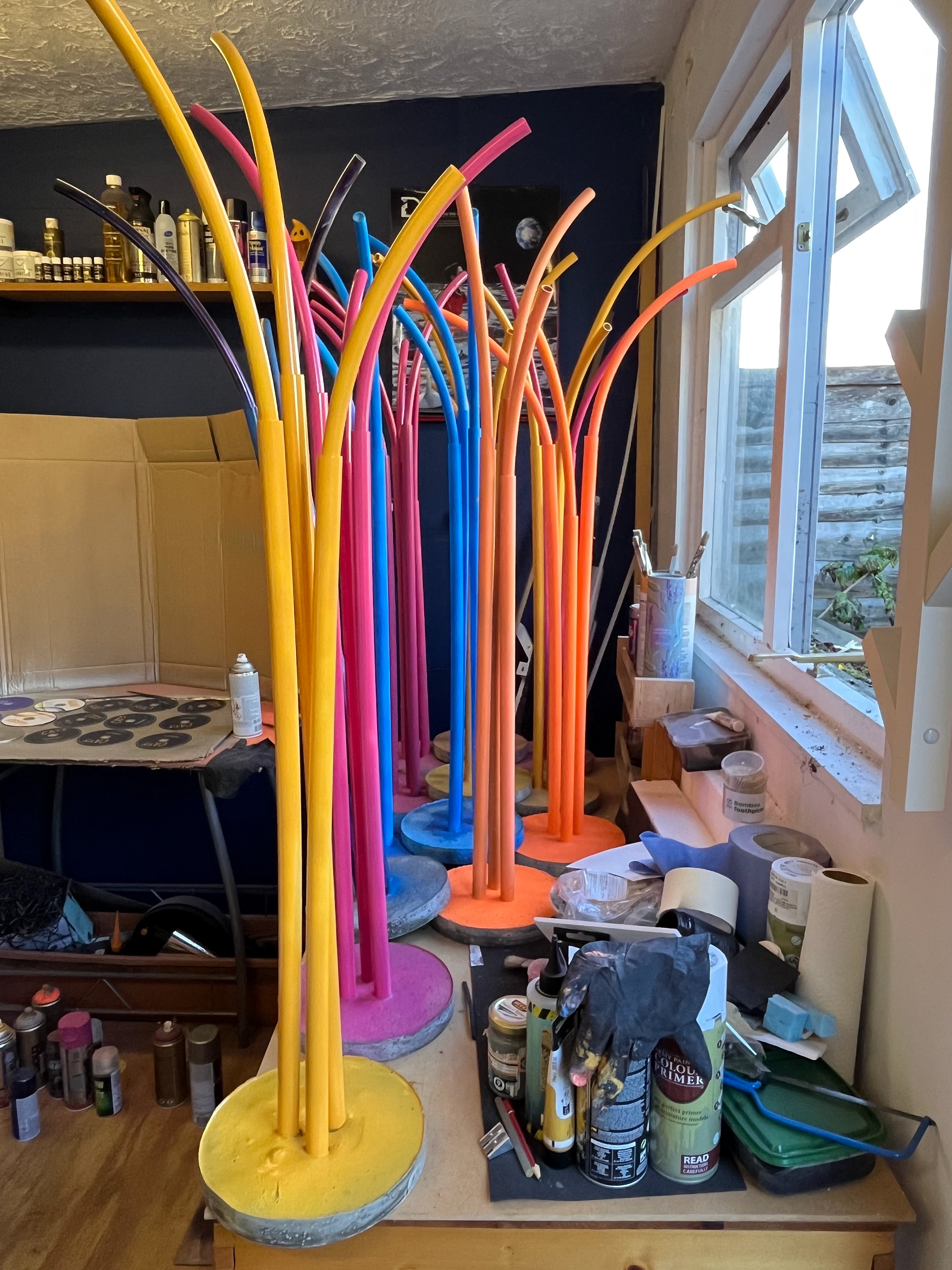
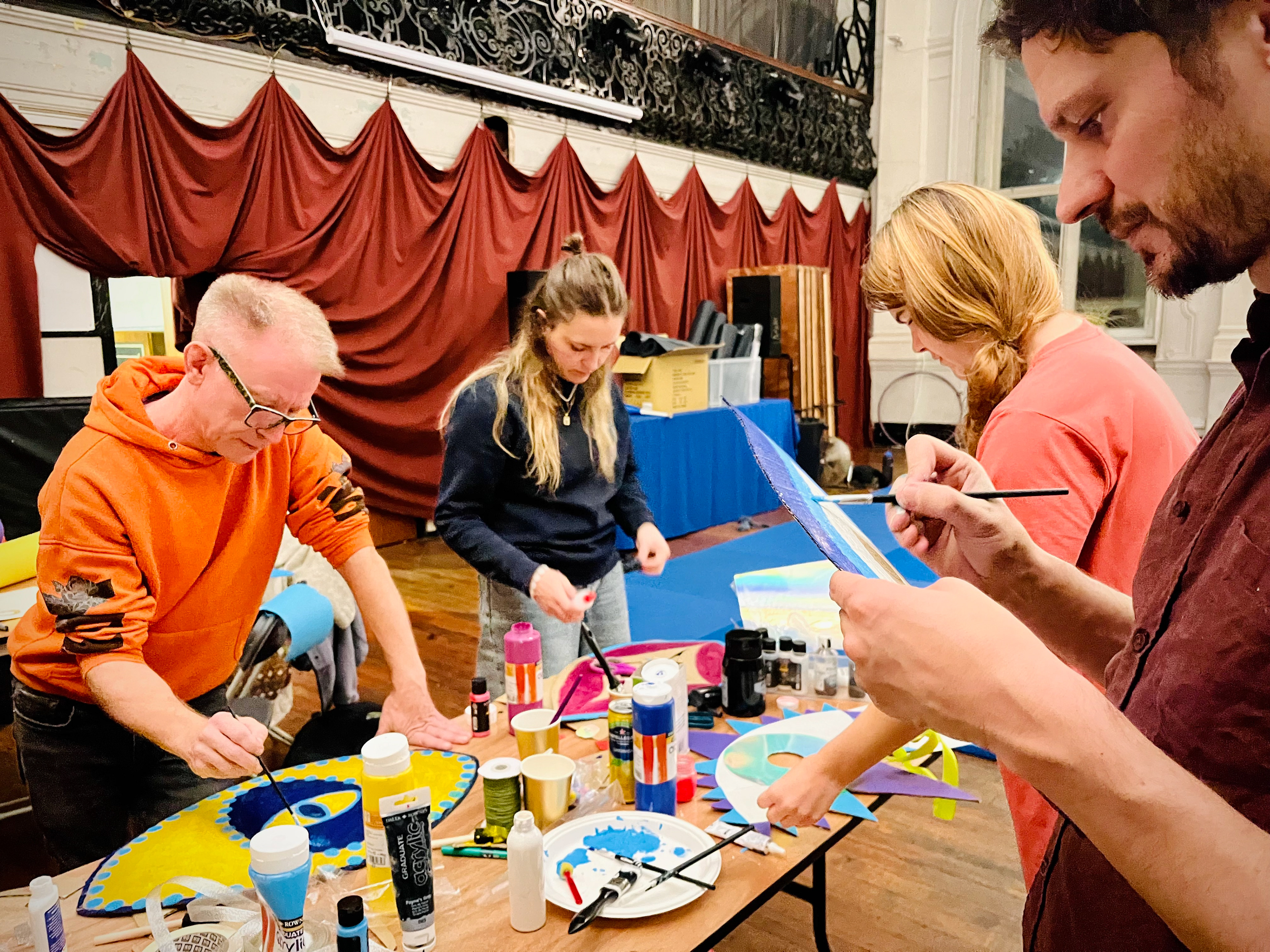
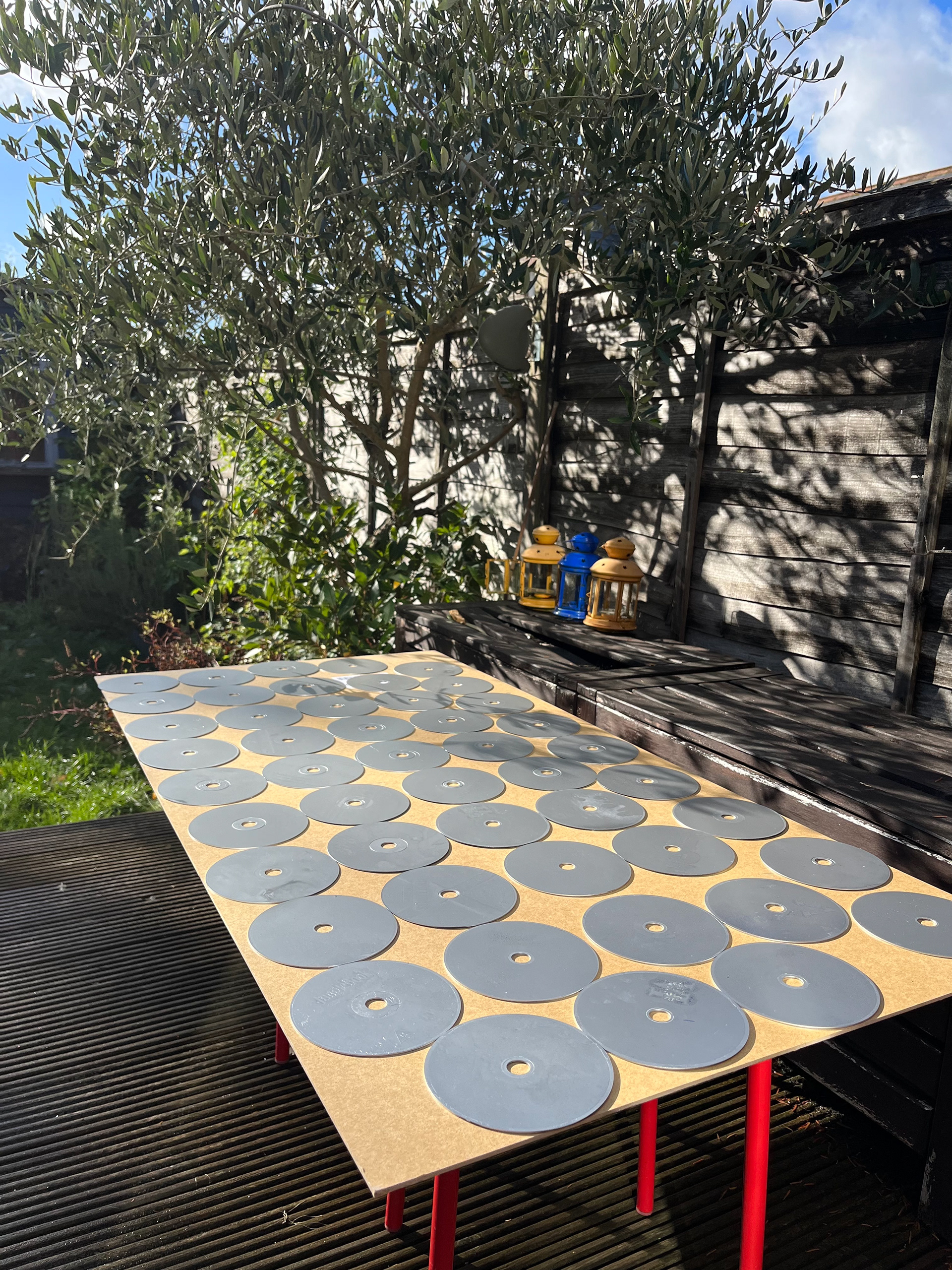
Beyond brand and graphics, I was responsible for shaping the environment itself. I coordinated regular meet-ups with amateur and professional makers, guiding the collective design and construction of decor for the Arena — the largest area of the venue, spanning approximately 600 square metres. All decorations were conceived using recyclable and reusable materials, aligning sustainability with creativity rather than compromise.
I managed the design budget end-to-end, delivering the full creative programme while reducing costs by nearly half compared to the previous year. I also directed graphic designers producing posters, maps, and programmes, liaising directly with print suppliers to ensure quality, clarity, and efficiency across all outputs.
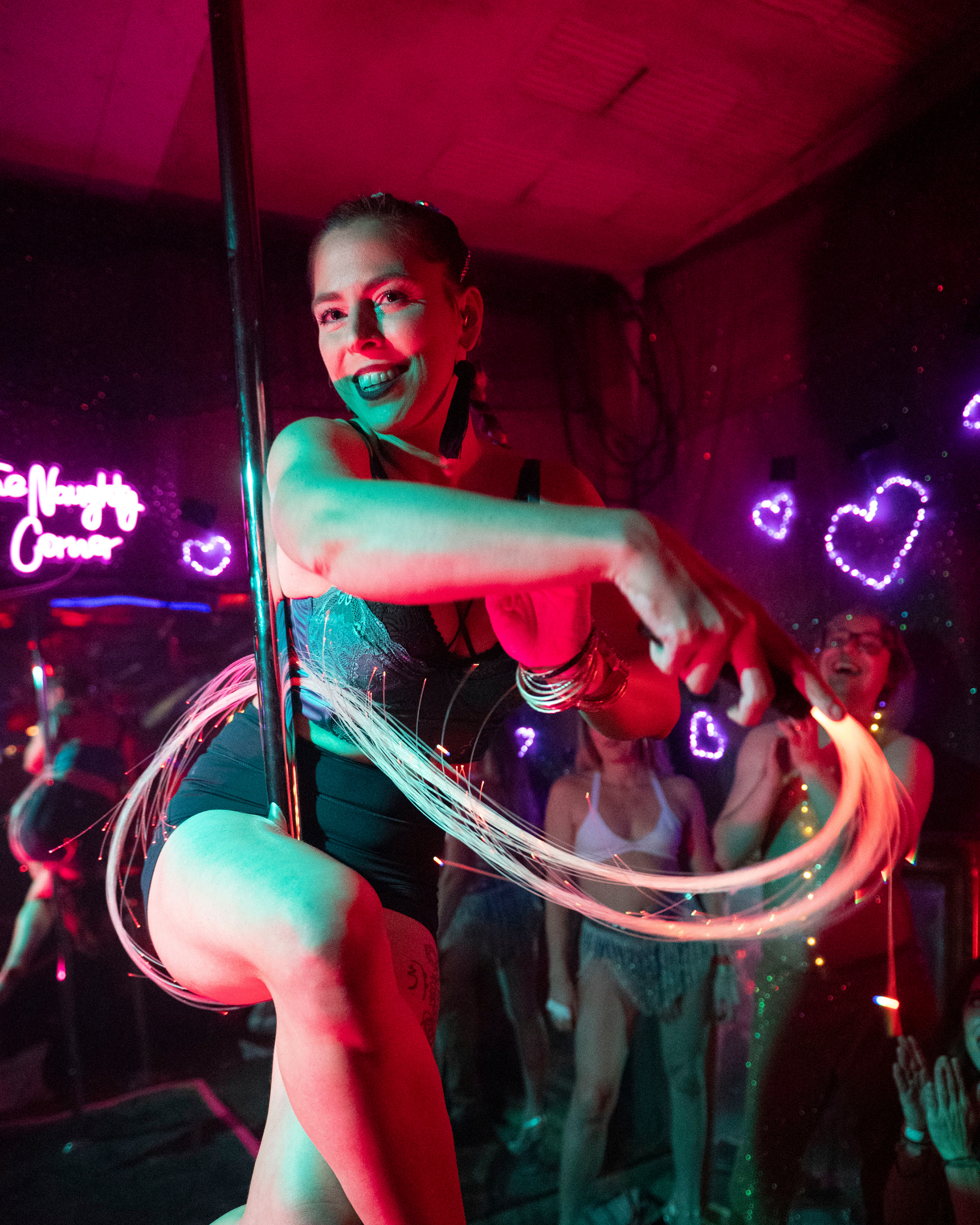
The role required close collaboration across disciplines. I worked alongside lighting and audio specialists, performers, and builders, ensuring the visual language translated seamlessly into sound, movement, and atmosphere. On the day of the event, I directed the build and spatial layout using placement maps and clear guidance, coordinating teams on site to bring the vision together safely and coherently.
The result was a calm, cosy, and inviting Arena that became the most active and populated area of the festival — praised for its sense of care, flow, and inclusivity. The project reinforced my belief that cultural spaces thrive when design prioritises people: when storytelling, sustainability, and collaboration work together to create environments where audiences feel welcome to stay, connect, and participate.
Barbara Desiderato, Creative Direction